
 Naijacentral Naijacentral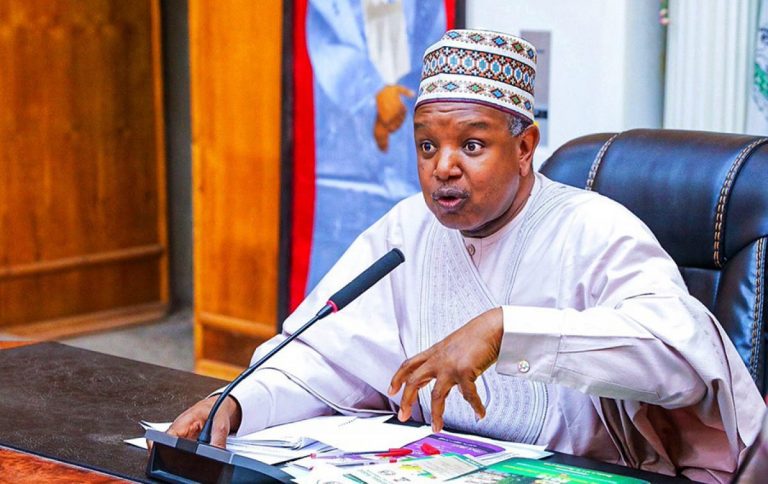
The Federal Government has urged international non-governmental organisations to stay in its operational areas and follow the established rules of engagement, emphasising that violations will not be tolerated.
The Minister of Budget and Economic Planning, Atiku Bagudu, said this at a one-day interactive forum with the INGOs community and other stakeholders themed, “Enhancing Cooperation and Coordination of the INGOs’ Community” held on Monday in Abuja.
The non-governmental organisations comprising 58 members are actively providing humanitarian assistance to populations affected by conflict in the North-East and other affected states.
Bagudu said the purpose of the event was to enhance our coordination and collaboration structures, align our efforts with national priorities in humanitarian, development, and peacebuilding areas, and find sustainable solutions to overcome bureaucratic and administrative challenges
The minister represented by his special adviser, Dr Bolaji Onalaja, affirmed the current administration’s goal to create an environment that promotes sustainable development and ensures the well-being of all citizens.
He explained that cooperation is essential for successfully coordinating developmental programs by INGOs in Nigeria and ensuring that they contribute effectively to the nation’s socioeconomic development.
He said, “It is also pertinent to note that INGOs in Nigeria are diligently working across all 36 states and the FCT to bridge gaps that the government alone cannot fully address. They provide vital social and development services in sectors such as health, education, water, sanitation and hygiene, human capital development, nutrition, food security and livelihoods, youth citizenship, governance, gender-based violence, protection, and economic empowerment. Currently, members of this forum are actively providing humanitarian assistance to populations affected by conflict in the North-East and other affected states.
The contribution of INGOs to our national development aspirations is truly invaluable. They have been instrumental in complementing government efforts by delivering critical services and support to vulnerable populations. Their work has significantly impacted the lives of countless Nigerians, helping to build stronger and more resilient communities.
I INGOs have had a series of collaborative partnerships with the government on cutting across humanitarian, peacebuilding and development sectors.
In 2022, 49 INGOs implemented 267 projects across 169 local governments in 23 states in Nigeria and strengthened the health system, as well as the education sector In the north-east