
 Naijacentral Naijacentral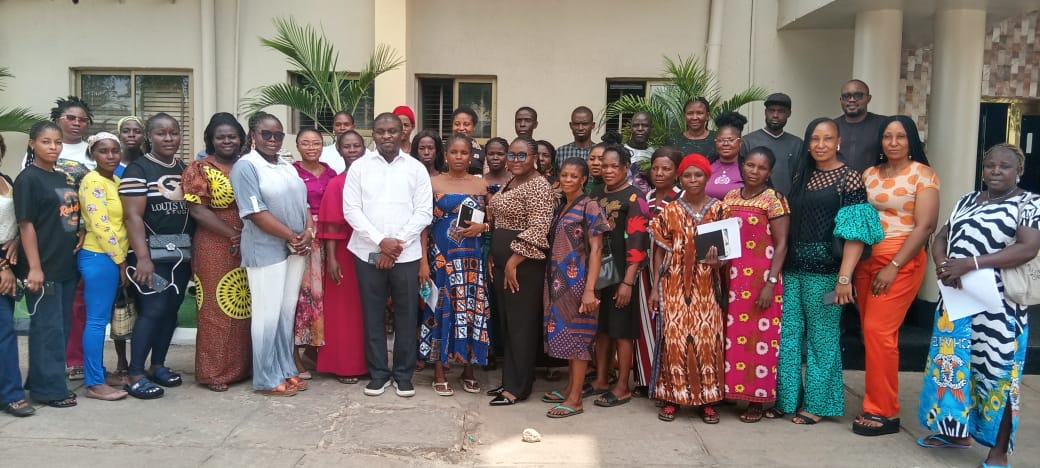
A Federal Government research centre, Sheda Science and Technology Complex (SHESTCO), has trained no fewer than 35 women farmers from Anambra and Enugu States on the use of disease-resistant seedlings.
SHESTCO, a federal government parastatal, established in 1993 and located in Kwali, organised the training under its “Seedwise Women Project” to improve crop quality.
Speaking at the event on Wednesday in Enugu, the Deputy Director of the Biotechnology Advanced Research Centre, SHESTCO, Dr Andrew Iloh, said the programme was designed to strengthen community engagement and educate women on improved seed technologies.
He explained that the initiative focused on building farmers’ knowledge of improved seedlings developed through biotechnology, including pest and disease-resistant varieties such as pod borer-resistant cowpea.
According to him, the training also aims to clarify misconceptions about genetically improved seeds and that such crops undergo rigorous scientific research, regulatory approval, and traditional breeding processes before being released to farmers.
Iloh added that three biotech crops currently approved in Nigeria—Bt cowpea, Tela maize, and Bt cotton had been certified by relevant regulatory agencies to ensure safety for consumption and the environment.
He emphasised the critical role of women in agriculture, describing them as custodians of biodiversity.
“When you train a woman, you train a nation. These participants will be equipped not only with knowledge but also with entrepreneurial skills to become seed champions,” he said.
The programme, he explained, would enable the women to form cooperatives and enterprises for the mass production of certified seeds, thereby improving accessibility and affordability for local farmers.
Iloh explained that the initiative aligned with the Renewed Hope Agenda of the Federal Government’s food security drive and would be expanded nationwide in phases to reach more farming communities.
“I commend the Managing Director of SHESTCO, Mr Magaji Aliyu, for this great initiative,” Iloh said.
A beneficiaries, Mrs Uche Kanayo, said the training came at a critical time, citing recent challenges such as drought and declining crop yields.
She expressed optimism that the knowledge gained on hybrid and disease-resistant seeds would improve productivity and reduce losses.
Another participant, Benedicta Nnaji, described the workshop as insightful, noting that many farmers lacked awareness of certified seeds and their benefits.
She said the training would help farmers make better decisions and enhance food production.