
 Naijacentral Naijacentral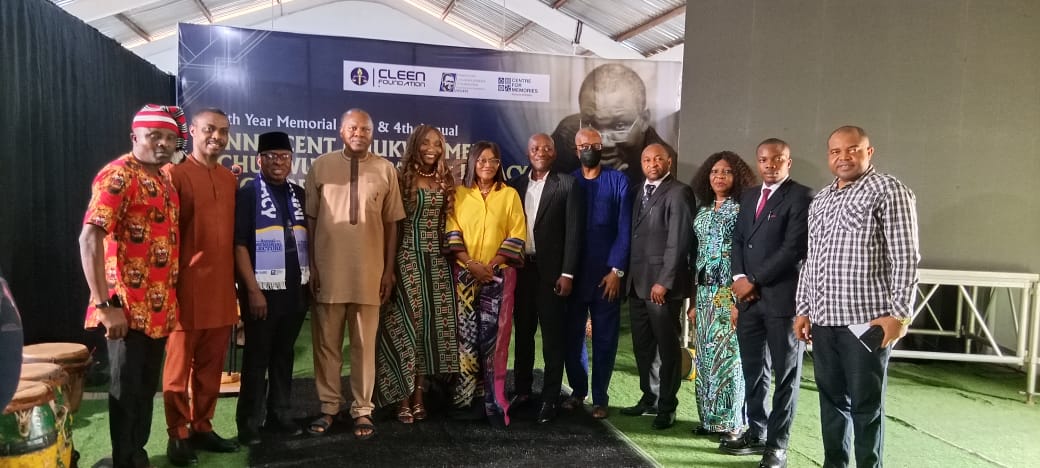
A policy strategist, Dr Sam Amadi, has said that accountability remained a critical virtue to rebuilding public trust in governance.
Amadi, who is the Director, Abuja School of Social and Political Thoughts, made the assertion on Thursday in Enugu while delivering a lecture at the 5th Memorial Event and 4th Annual Innocent Chukwuemeka Chukwuma Impact and Legacy Lecture Series.
The event, held at the Centre for Memories (CFM), was organised by the Innocent Chukwuemeka Chukwuma Empowerment Foundation (ICCEF) in collaboration with CLEEN Foundation and CFM.
The lecture themed “Power, Accountability and the Crisis of Public Trust: Rebuilding Institutions that Serve the People,” examined Nigeria’s governance challenges and the widening trust deficit between citizens and public institutions.
Amadi stressed the need for renewed commitment to institutional reforms and active civic engagement, noting that accountability remained central to social progress and effective governance.
He described the late Innocent Chukwuma as a lifelong advocate for justice and accountability, whose work focused on ensuring that power was exercised in line with the law and for the public good.
According to him, the success of any society depends on how it manages power, who exercises it, how it is exercised, and for whose benefit.
Amadi, however, expressed concern over Nigeria’s democratic process, buttressing that elections alone did not guarantee true democracy.
He cited issues such as voter suppression, electoral violence and logistical challenges as factors undermining the credibility of elections and eroding public confidence.
The policy expert also raised concerns about weak institutional capacity, particularly, the inability to effectively prosecute electoral offences, which he said, had fostered a culture of impunity.
He emphasised that democracy must go beyond periodic elections to include inclusiveness, responsiveness and mechanisms for holding leaders accountable.
He urged citizens, civil society groups and technocrats to play active roles in demanding transparency and strengthening governance systems.
Other speakers including Prof Joy Ezeilo (SAN) and Ms Ndidi Nwuneli, noted that poverty had been weaponised and trust deficit tended to be getting worse by the day.
According to Ezeilo, law implementation is weak, abuse of power, police brutality among others have led to trust deficit in the country.
Nwuneli said that genuine civil society organisations needed a rebirth and funds to change the narrative and hold private sector and government accountable.
Earlier, the Executive Director of ICCEF and widow of late Innocent Chukwuma, Josephine Chukwuma, said the annual lecture series was instituted in 2023 to honour the legacy of her late husband and his contributions to democratic governance and human rights.
She said that hosting the event in Enugu was significant, given Chukwuma’s roots and his role as a co-founder of the Centre for Memories.
Also speaking, Dr Jude Ohanele of CLEEN Foundation, said the theme of the lecture was timely, as Nigeria continued to grapple with a growing trust deficit between citizens and state institutions.
He expressed optimism that accountability and institutional reforms could restore public confidence if pursued with commitment and courage.
In his remarks, the Executive Director of CFM, Mr Iheanyi Igboko, described Chukwuma as a multifaceted leader whose contributions to human rights, justice and social development remained impactful.
For Advert placement, music promotion, event coverage, social media & event management, or to share breaking news story with us, contact: +2348134740033