Corroborating Abubarka’s statement, another Epidemiologist and Professor of Public Health at the University of Ilorin, Kwara State, Tanimola Akande, emphasised the need to contain the threat of mpox spreading further from outside Nigeria.
Akande said, “The threat of mpox spreading further, particularly from outside Nigeria, must be addressed by strengthening border surveillance. The government should urgently ensure that vaccines are distributed and administered to at-risk populations and beyond.”
Akande said that the mpox outbreak is increasing, urging heightened vigilance and preventive measures.
He warned, “Dead animals must not be eaten and should be carefully handled and disposed of to prevent infection. It is hazardous to consume sick or dead animals, as this could contribute to the spread of mpox.”
Akande advised that the Nigerian government needs to enhance surveillance efforts, suggesting building on the strengthened surveillance systems established during the COVID-19 pandemic.
He further stressed the importance of raising massive awareness about Mpox and educating the public on preventive measures to help contain any potential outbreak in Nigeria, saying that those handling dead animals should use personal protective equipment like gloves and face masks.
“Such animals should be properly buried or better still incinerated where an incinerator is available. Strong disinfectants should be used by those who have contact with such animals and also report such cases to appropriate authorities.
“All Nigerians need to be aware of the potential threat of Mpox outbreak. All appropriate measures must be taken by individuals. This includes desists from eating sick and dead animals.
“The government will need to step up awareness and health education and intensify surveillance. Health workers’ suspicion index should be high to detect cases early and take preventive measures against further spread of cases,” he added.
The mpox virus can spread both from animal to human and from human to human. Animal-to-human transmission may occur by direct contact with the blood, body fluids, skin, or mucosal lesions of infected animals (e.g., monkeys, squirrels, and rodents). This can happen through a bite, scratch, handling of, or eating inadequately cooked or other products of infected bushmeat.
Human-to-human (person-to-person) transmission occurs when a person comes into contact with the virus from an infected human or materials contaminated with the virus, such as clothing or bedding.
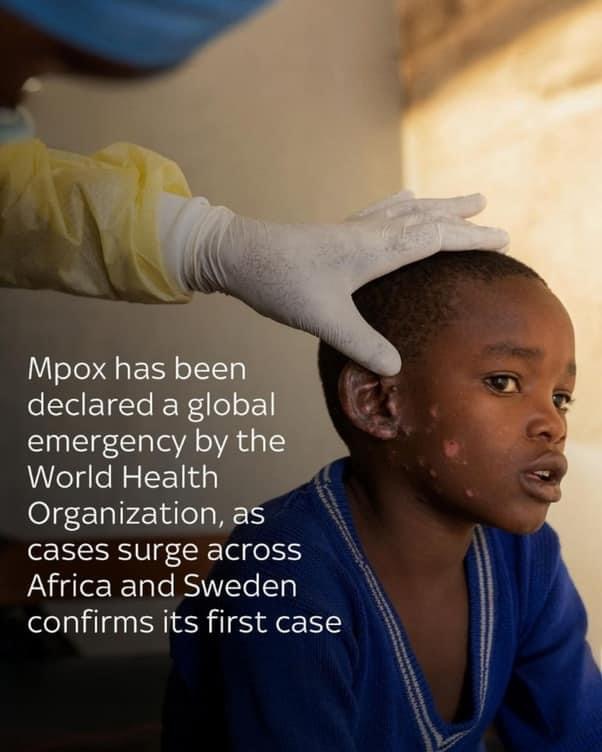
Symptoms of the illness include fever, headache, body aches, weakness, swollen lymph nodes (glands), and a rash. After about one to three days of fever, the rash erupts, beginning on the face and then spreading to the body with the face and palms/soles being mostly affected. They can also occur in and around the genitals, which is why contact during sex is another mode of transmission.



Naijacentral Naijacentral