
Patients turn to beggars to escape death as economic hardship forces them out of treatment

Also speaking with Healthwise, a Clinical Psychologist at the Department of Psychiatry, Lagos University Teaching Hospital, Dr Juliet Ottoh, said that patients, especially those with chronic medical conditions, without the means to foot their medical bills lived in anxiety.

She added that such a state of worry and uncertainty would impact the healing and recovery of such individuals, leading to complications and the co-morbidity of chronic medical health conditions.

This, the clinical psychologist said, further causes “more expense on them because they will now need some extra medications, treatment and consultation and this would hamper their progress.

“Rather than concentrating on the physical health condition alone, they now have co-morbidity; having a physical health condition and a psychological health condition.”

She urged Nigerians to promptly address health conditions before they degenerated into multiple health conditions.

The clinical psychologist advised individuals who have genuinely exhausted familial, friends and other legitimate ways of raising funds not to be ashamed to seek help.

“The right path is to ask. Take away the stigma, because all of those times you’re trying to delay, things are getting complicated and could degenerate to the point where it becomes a life-threatening illness,” Ottoh
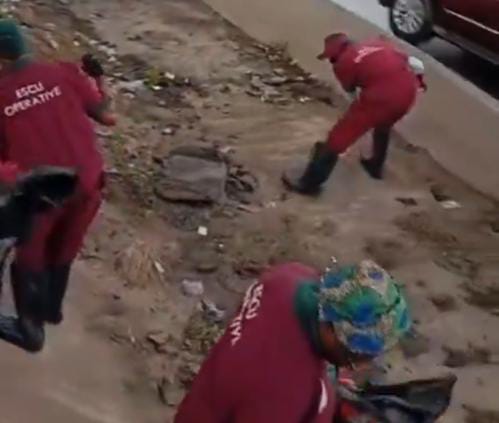
Open defecation: Lagos continues cleanup, sets up taskforce to arrest offenders

He wrote, “The Lagos State Ministry of the Environment and Water Resources today continued the total cleanup of Ojodu-Berger median, warns against defecating on the roadside, as the Lagos State Government set up a taskforce to arrest offenders.”

It was earlier reported that the Lagos State Environmental Protection Agency and the Ogun State Environmental Protection Agency started cleanup on the Lagos-Ibadan Expressway on August 13 in order to end open defecation along that highway median.

LASEPA had also said the agencies’ focus was the median from the OPIC Plaza to the Odetola Bridge inward Lagos end of the newly rehabilitated road.

Edo confirms three mpox cases, intensifies tracing

According to a public health advisory issued by the ministry, the three patients are currently receiving care at Irrua Specialist Teaching Hospital, Irrua, and Edo State University Teaching Hospital, Auchi, respectively.

The patients have been isolated, and the ministry has urged residents to maintain strict Infection Prevention and Control measures to prevent the spread of the disease.

Mpox: Health declaration for inbound air passengers won’t halt spread, say epidemiologists

Corroborating Abubarka’s statement, another Epidemiologist and Professor of Public Health at the University of Ilorin, Kwara State, Tanimola Akande, emphasised the need to contain the threat of mpox spreading further from outside Nigeria.

Akande said, “The threat of mpox spreading further, particularly from outside Nigeria, must be addressed by strengthening border surveillance. The government should urgently ensure that vaccines are distributed and administered to at-risk populations and beyond.”

Akande said that the mpox outbreak is increasing, urging heightened vigilance and preventive measures.

He warned, “Dead animals must not be eaten and should be carefully handled and disposed of to prevent infection. It is hazardous to consume sick or dead animals, as this could contribute to the spread of mpox.”

Akande advised that the Nigerian government needs to enhance surveillance efforts, suggesting building on the strengthened surveillance systems established during the COVID-19 pandemic.

He further stressed the importance of raising massive awareness about Mpox and educating the public on preventive measures to help contain any potential outbreak in Nigeria, saying that those handling dead animals should use personal protective equipment like gloves and face masks.

“Such animals should be properly buried or better still incinerated where an incinerator is available. Strong disinfectants should be used by those who have contact with such animals and also report such cases to appropriate authorities.

“All Nigerians need to be aware of the potential threat of Mpox outbreak. All appropriate measures must be taken by individuals. This includes desists from eating sick and dead animals.

“The government will need to step up awareness and health education and intensify surveillance. Health workers’ suspicion index should be high to detect cases early and take preventive measures against further spread of cases,” he added.

The mpox virus can spread both from animal to human and from human to human. Animal-to-human transmission may occur by direct contact with the blood, body fluids, skin, or mucosal lesions of infected animals (e.g., monkeys, squirrels, and rodents). This can happen through a bite, scratch, handling of, or eating inadequately cooked or other products of infected bushmeat.

Human-to-human (person-to-person) transmission occurs when a person comes into contact with the virus from an infected human or materials contaminated with the virus, such as clothing or bedding.

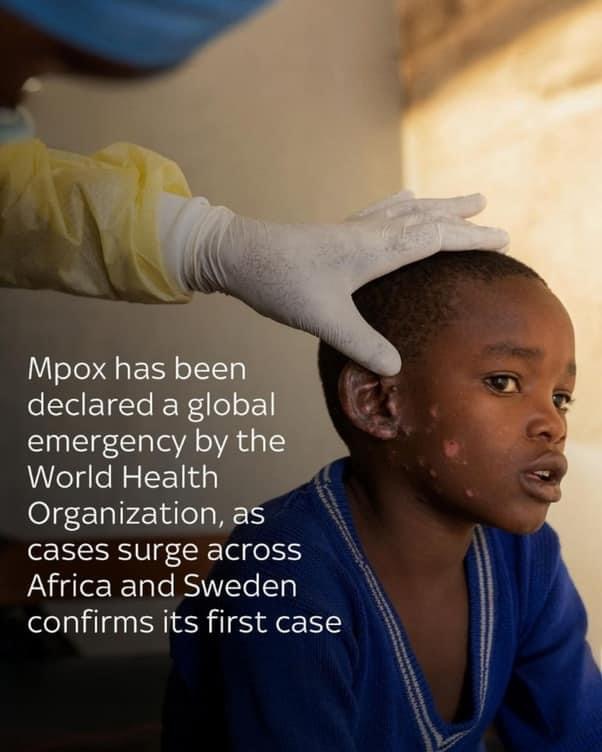
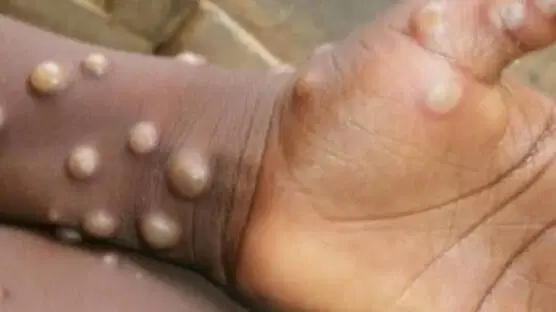
Symptoms of the illness include fever, headache, body aches, weakness, swollen lymph nodes (glands), and a rash. After about one to three days of fever, the rash erupts, beginning on the face and then spreading to the body with the face and palms/soles being mostly affected. They can also occur in and around the genitals, which is why contact during sex is another mode of transmission.

RSS
Follow by Email
YouTube
LinkedIn
Share
Instagram
Telegram
WhatsApp
Tiktok